From £5.95 Incl. VATFrom £4.96 Excl. VAT
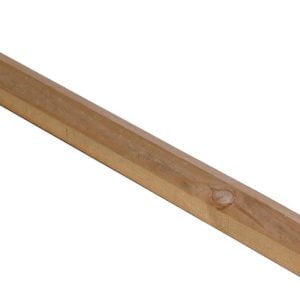
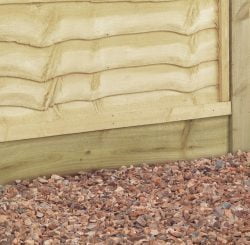
Wooden gravel boards are horizontal barriers typically installed at the base of a fence panel. Designed to prevent direct contact between the fence panel and the ground, they offer both functional and aesthetic benefits.
Most timber gravel boards are manufactured from pressure-treated timber to resist fungal decay and insect attack. Treatment processes often involve impregnating the wood with preservatives to enhance longevity, making them suitable for outdoor use.
While timber is traditional and blends naturally with most gardens, you can also get concrete gravel boards. Concrete offers greater longevity and resistance to rot but may lack the rustic charm of wood. Wooden gravel boards remain popular for their ease of handling and aesthetic compatibility.
| Dimensions | N/A |
|---|---|
| Wooden Gravel Board Size | Brown Treated 150mm X 22mm X 1.83m, Brown Treated 150mm X 22mm X 3.0m |